MYRTLES PLANTATION
Myrtles Plantation, St. Francisville. House 1796. Night trade sells Chloe, an enslaved woman not in the census. Woodruff yellow-fever deaths in the 1820s already sit in the paper. Tour, not a finding.
091°23'00 W
1. Public Record
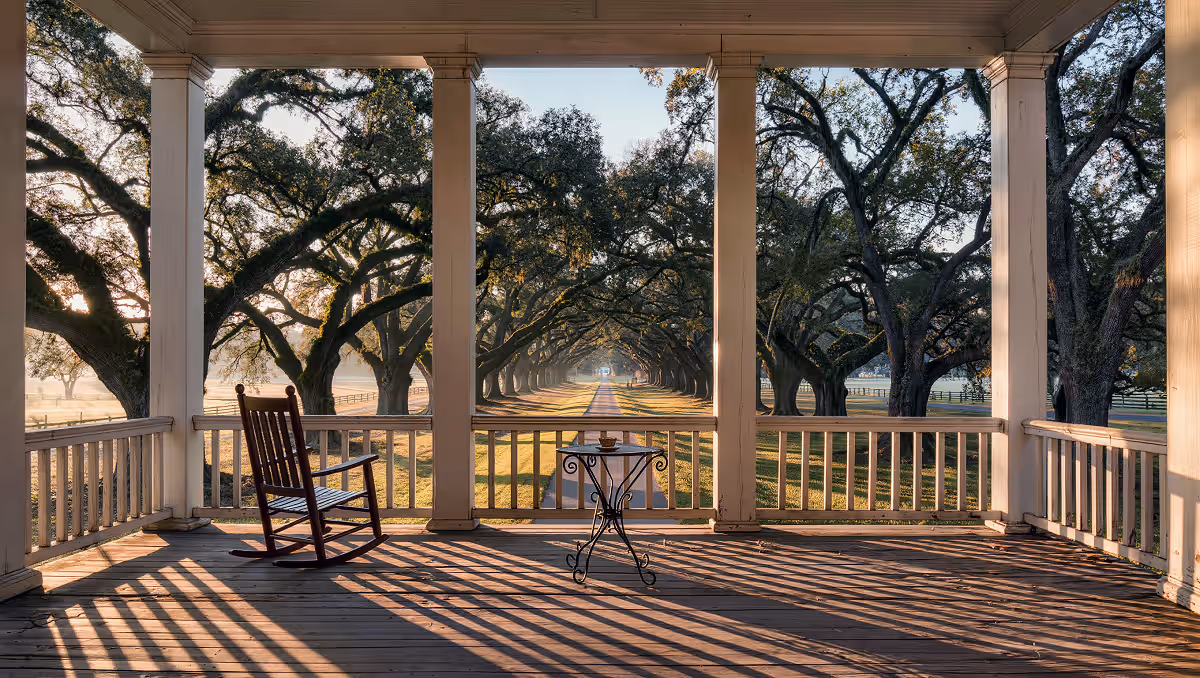
Myrtles Plantation stands at St. Francisville, Louisiana, on ground David Bradford built on in 1796. Clark Woodruff and Sara Woodruff hold it in the early nineteenth century. The porch and the alley of trees photograph in any season. What the night trade sells is Chloe, sometimes Cloe: an enslaved woman who listened at keyholes, was caught, lost an ear, hid the wound under a green turban, boiled oleander leaves into a cake, and killed Sara and two daughters. In one version she meant only to make them ill so she could nurse them and keep her place in the house. In another she meant the deaths. Other enslaved people, the story says, hanged her and put her in the Mississippi to keep Clark from doing worse.
The federal schedules are less willing. In 1820 the household holds five enslaved people. In 1830 it holds thirty-two. No Chloe or Cloe is named on those pages. The deaths that do sit in paper are yellow fever in the 1820s: Sara, first daughter Cornelia, and a young son James. Second daughter Octavia lives into adulthood. Clark sells in 1834 and goes to New Orleans. Ghost Hunters films the house in 2005. Guides still open with the turban. The census does not.
A porch that learned which dead woman books a Saturday. A schedule that never heard of her.
2. Date of Incident
House 1796. Woodruff occupancy early 1800s. Yellow-fever deaths in the 1820s. Sale 1834. Chloe as later legend. Television 2005.
3. Location
St. Francisville, Louisiana. Approximate 30°47 N 091°23 W.
4. Official Narrative
A historic house run as lodging and tour. Parish history will give Bradford, the Woodruffs, and yellow fever. It will not underwrite Chloe as a person in the record.
5. Witness Layer
Paying guests. Guides. Woodruff census schedules. Television crews. Historians who went looking for Chloe and found a blank.
6. Recovery Logistics
No grave tagged Chloe. Census microfilm. A house still taking bookings.
7. Assessment
Hold 1796, the Woodruff names, the 1820 and 1830 counts, and the yellow-fever deaths on the same page as the turban. Chloe is a tour figure. Oleander is a story about a cake, not a toxicology report. The enslaved people who did live on that ground deserve the schedule that named their numbers even when it would not name them. Do not let the brochure eat the paper.
8. Materials & Remains
The house. Census schedules. Tour script. 2005 tape. No Chloe grave.
9. Key Personnel
David Bradford : Builder, 1796.
Clark and Sara Woodruff : Named owners in the years the legend uses.
Octavia Woodruff : The daughter who lived.
Chloe : Tour figure, absent from the schedule.
10. Aftermath
The porch outsells the deed. Yellow fever does not book rooms. Chloe does. Octavia remains the name the evening script skips.
11. Current Archive Status
Status: St. Francisville. Chloe in the tour. Not in the census.
Confidence: High that the house exists and that the Woodruffs held enslaved people in those census years. High that no Chloe sits in those schedules. Low that the cake story is a criminal fact.
Filing note
A river house, a census with numbers and no Chloe, a yellow-fever year that already killed enough, a turban the gift shop can print, a porch that learned which dead woman sells a Saturday.
Octavia lived. The brochure rarely starts there.